
Introduction
Every business aiming to grow online faces a crucial question: should you invest in organic marketing or rely on paid marketing for faster results? Both approaches play a vital role in a successful digital marketing strategy, but their impact on long-term growth differs significantly.
While paid campaigns like social media ads and online advertising can generate instant traffic, organic methods such as SEO and content marketing build authority and trust over time. Choosing the right balance between these two strategies can define your brand’s success, marketing ROI, and scalability.
In this blog, we’ll compare organic vs paid marketing, analyze their benefits, challenges, and help you decide which strategy is better for sustainable business growth.
What Is Organic Marketing?
Building Long-Term Value Through Trust and Authority
Organic marketing focuses on attracting customers naturally without paying for direct ad placements. Common organic channels include:
- -Search engine optimization (SEO)
- -Content marketing (blogs, guides, videos)
- -Organic social media engagement
- -Email nurturing
The biggest advantage of organic marketing is longevity. Once you rank on search engines or build an engaged audience, traffic continues without continuous spending. Strategies like SEO vs PPC clearly show that SEO delivers compounding results over time.
Organic marketing strengthens brand credibility, improves trust, and supports sustainable lead generation.
What Is Paid Marketing?
Driving Immediate Results with Online Advertising
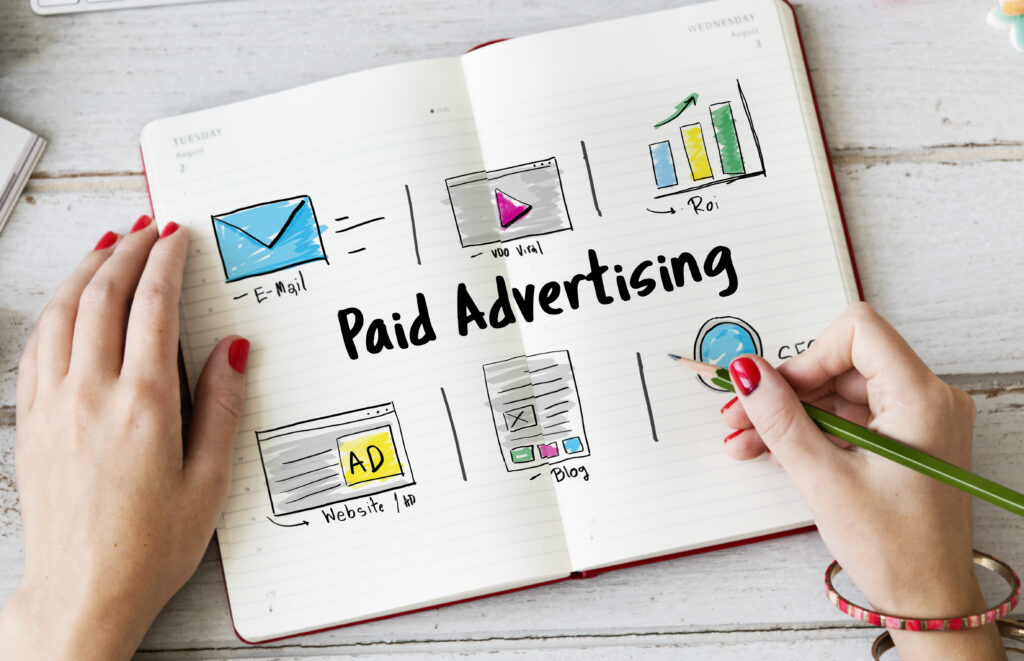
Paid marketing involves promoting your brand through paid channels such as:
- -Google Ads (PPC)
- -Social media ads
- -Display and retargeting campaigns
- -Sponsored content
Paid campaigns are a core part of performance marketing, where businesses pay to reach a targeted audience instantly. The major advantage is speed—you can generate leads and sales almost immediately.
However, paid traffic stops the moment your budget runs out, making it less sustainable if not managed strategically.
Organic Marketing vs Paid Marketing: Key Differences
Cost, Speed, and Sustainability Compared
| Factor | Organic Marketing | Paid Marketing |
| Cost | Lower long-term | High ongoing cost |
| Speed | Slow but steady | Immediate results |
| Trust | High credibility | Lower trust initially |
| ROI | Grows over time | Short-term ROI |
| Sustainability | Long-lasting | Stops with budget |
From a long-term perspective, organic marketing often delivers a higher marketing ROI, while paid marketing excels at short-term visibility.
SEO vs PPC – Which One Delivers Better Long-Term Growth?
Search Visibility That Lasts
The SEO vs PPC debate is central to organic vs paid marketing. SEO focuses on improving website rankings to gain organic traffic, while PPC places ads at the top of search results.
SEO benefits:
- -Long-term visibility
- -Higher trust from users
- -Consistent organic traffic
PPC benefits:
- -Immediate traffic
- -Precise targeting
- -Scalable campaigns
For long-term growth, SEO generally outperforms PPC due to its compounding impact and lower cost per lead over time.
Role of Social Media Ads in Paid Marketing
Amplifying Reach and Brand Awareness
Social media ads are powerful for targeting specific demographics, interests, and behaviors. They are excellent for:
- -Product launches
- -Retargeting website visitors
- -Boosting brand awareness
However, without a strong organic presence, paid social campaigns may struggle to build trust. Combining organic content with paid promotions creates a balanced digital marketing strategy.
Lead Generation and Marketing ROI Comparison
Which Strategy Converts Better Over Time?
Paid marketing often delivers faster lead generation, especially for new businesses. Organic marketing, on the other hand, nurtures leads through value-driven content and trust-building.
In terms of marketing ROI:
- -Paid marketing = quick but costly leads
- -Organic marketing = slower but higher lifetime value
Businesses focusing on long-term profitability usually prioritize organic channels while using paid campaigns strategically.
When Should Businesses Use Paid Marketing?
Strategic Use Cases for Performance Marketing
Paid marketing is ideal when:
- -Launching a new product or service
- -Entering a competitive market
- -Running time-sensitive promotions
- -Scaling proven funnels
When aligned with a strong organic foundation, performance marketing becomes highly effective without wasting ad spend.
The Best Digital Marketing Strategy for Long-Term Growth
Combining Organic and Paid Marketing
The most successful brands don’t choose one—they combine both. A balanced digital marketing strategy includes:
- -SEO and content marketing for long-term growth
- -Paid ads for quick visibility and testing
- -Data-driven optimization for better performance
This hybrid approach maximizes reach, conversions, and sustainability.
FAQs
- What is the main difference between organic and paid marketing?
Organic marketing builds traffic naturally, while paid marketing relies on ads.
- Is organic marketing better for long-term growth?
Yes, it delivers sustainable traffic and higher trust over time.
- Does paid marketing give faster results?
Yes, paid campaigns generate immediate visibility and leads.
- Which has better ROI: SEO or PPC?
SEO usually provides better long-term ROI.
- Should small businesses use both strategies?
Yes, a mix of organic and paid marketing works best.
Conclusion
So, organic vs paid marketing—which is better for long-term growth? Organic marketing wins in sustainability, trust, and cost-efficiency, while paid marketing delivers speed and scalability. The smartest approach is not choosing one over the other, but aligning both within a clear digital marketing strategy.
Businesses that invest in organic growth while strategically leveraging paid campaigns achieve stronger results, higher ROI, and lasting success.
Looking to build a powerful digital marketing strategy that balances organic marketing and paid marketing for real growth?
Let Trade Trove help you generate sustainable traffic, quality leads, and measurable ROI.

